Federal Research Cuts and Their Impact on Academic Medicine and Patient Care
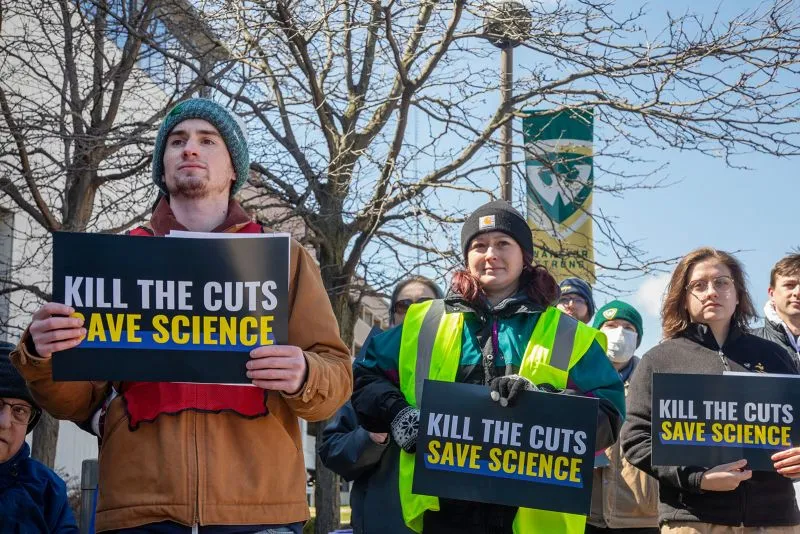
Impact of Research Funding Cuts on Academic Medicine
Federal research funding cuts pose an existential threat to academic medicine, according to a new report from the Association of American Medical Colleges (AAMC). These reductions are likely to lead to significant ramifications for patient care in the United States. Notably, proposals from the House GOP tax and spending cuts bill could eliminate health insurance for over 11 million individuals enrolled in Medicaid or Affordable Care Act coverage, jeopardizing loans for approximately half of medical students.
A Threat to Medical Missions
- The report suggests this is the first instance where all three missions of academic medicine—research, education, and patient care—are uniformly threatened.
- Typically, when one mission is under duress, the others can mitigate the impact; however, this cumulative threat is unprecedented.
Especially concerning is that academic health systems, which educate future physicians and manage complex medical cases, are integral to providing advanced clinical services such as trauma and organ transplant facilities. The report reveals academic health systems conduct the majority of research funded by the US NIH, highlighting the essential link between funding and high-quality patient care.
The Consequences of Funding Cuts
- Over 1,100 NIH grants have been terminated, leading to the cessation of at least 160 clinical trials.
- This affects patients who often rely on these trials for new treatment options, essentially halting potential medical advancements.
- The association warns of a looming physician shortage, predicting a deficit of up to 86,000 physicians by 2036 if investment does not increase.
Declining research investments severely impede the healthcare ecosystem, leading to a deterioration in the quality of medical care provided to patients. As Heather Pierce, senior director of science policy for AAMC, states, “When the research stops, progress stops.”
This article was prepared using information from open sources in accordance with the principles of Ethical Policy. The editorial team is not responsible for absolute accuracy, as it relies on data from the sources referenced.