Estrogen Patches Hard to Find: The Rising Demand for Menopause Treatments
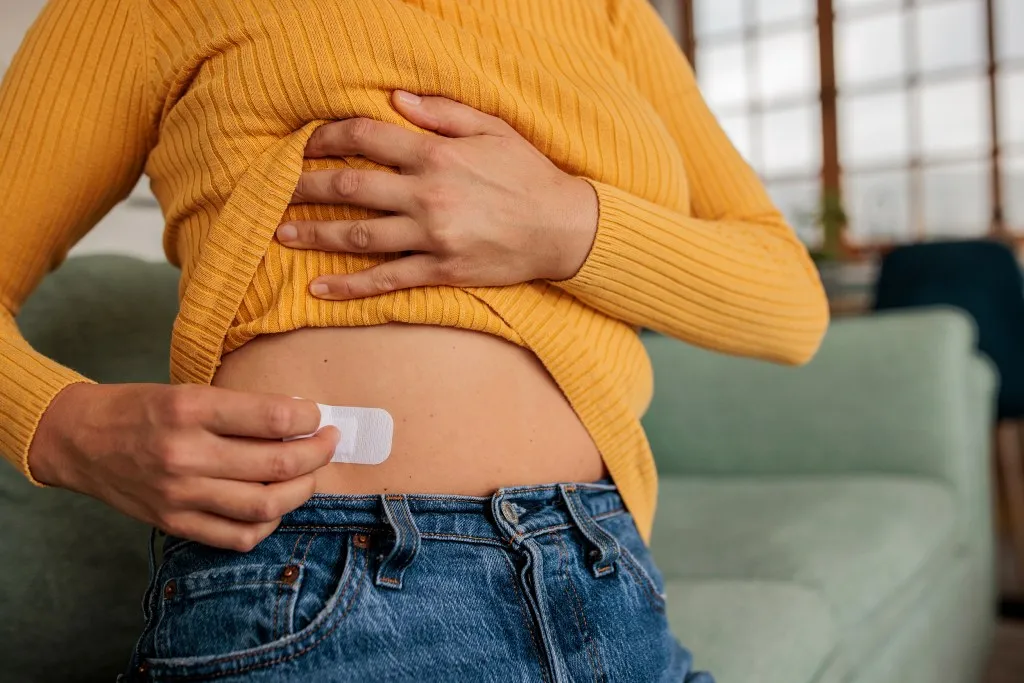
Estrogen patches for menopause are increasingly hard to find due to a significant rise in demand. During the last few years, the use of hormone replacement therapy (HRT), especially estradiol patches, has skyrocketed. This surge has left many women contemplating the management of menopausal symptoms during a time when supplies are dwindling.
Understanding the HRT Demand
Due to the correlation between diminishing estrogen levels and menopausal symptoms such as hot flashes and night sweats, estrogen patches provide much-needed relief. Experts like Dr. Nina Ali, director of the Menopause Center at Baylor College of Medicine, suggest that the recent removal of the FDA's black box warning has encouraged more women to seek hormone therapy.
Statistics and Impact
- Demand for hormone replacement therapy has increased by 86% since 2021.
- Women aged 50-65 are particularly affected by the increased need for estrogen patches.
- Pharmacies are struggling to keep these products in stock, with many offering alternatives that may not be as effective.
Challenges with Supply
The shortages of estradiol patches have prompted patients like Kristy Martin to experience panic over medication availability. Chemists such as CVS acknowledge supply challenges due to backorders, despite manufacturers like Viatris claiming they are ramping up production.
Patient Perspectives
Women are frustrated with these shortages as they seek solutions to alleviate symptoms that significantly impact their quality of life. Jessica Halem, co-founder of a biotech startup, shared her regret about not starting hormone therapy sooner.
As the situation unfolds, it's crucial for patients to remain in touch with their healthcare providers, especially as switching formulations can unpredictable side effects. The medical community continues to monitor the situation closely, ensuring that solutions are being sought to address these shortages.
This article was prepared using information from open sources in accordance with the principles of Ethical Policy. The editorial team is not responsible for absolute accuracy, as it relies on data from the sources referenced.