Donald Trump and the Overhaul of White House Global Health Initiatives
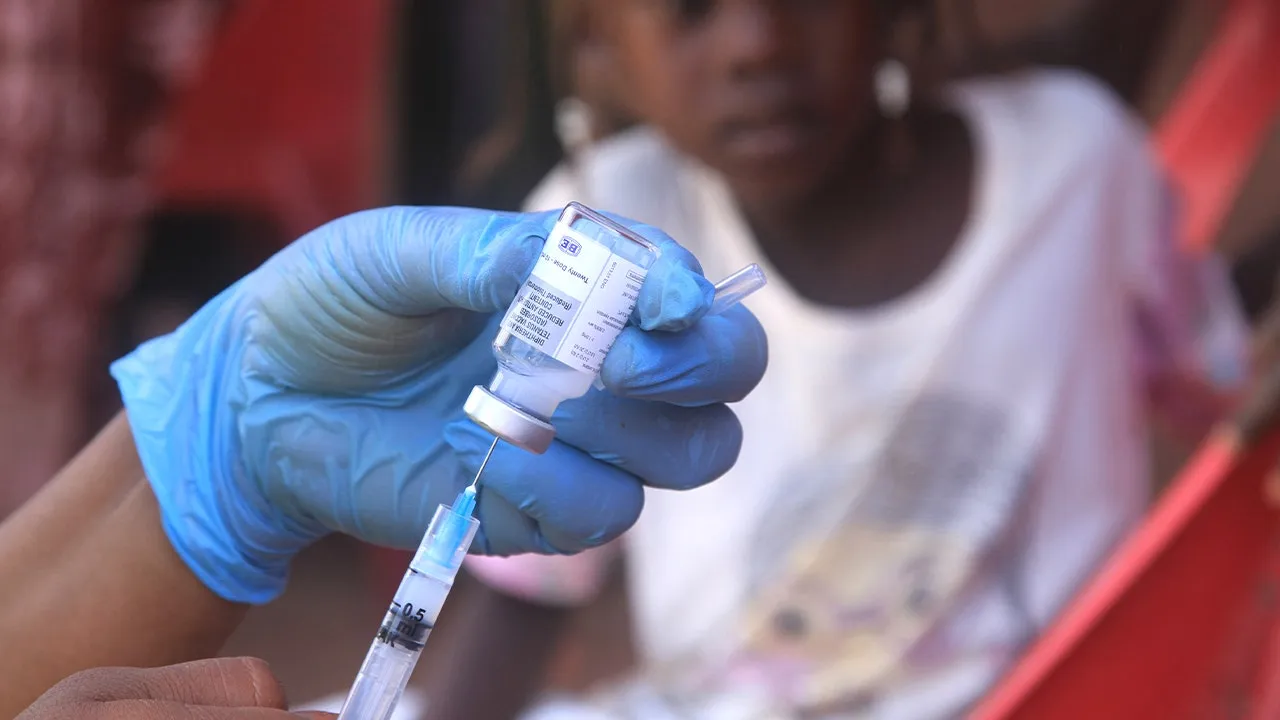
Donald Trump’s Global Health Strategy
Donald Trump’s administration embarked on a significant overhaul of U.S. global health aid by introducing the America First Global Health Strategy. This strategy moved control from USAID to the State Department, establishing new funding mechanisms grounded in performance benchmarks.
Key Components of the Strategy
- Reduced reliance on traditional grant-heavy models.
- Focus on country-by-country agreements that align funding with health outcomes.
- Inclusion of metrics for performance accountability.
Former USAID head Mark Green and lawmakers like Marco Rubio have played instrumental roles in shaping these policies, advocating for rigorous oversight and measurable results.
Implementation and Outcomes
As part of this strategy, the U.S. has entered into multiple bilateral health agreements, including a notable five-year accord with Kenya that emphasizes outcomes in areas such as HIV/AIDS, malaria, and tuberculosis. This new framework represents a pivot toward tighter spending controls while pressuring foreign governments to enhance their responsibility and funding contributions.
Conclusion
While the strategy promises a more effective distribution of health resources, critics are cautious as many details regarding enforcement and setting benchmarks remain unresolved. The shifting landscape of global health aid under Donald Trump illustrates both the potential for reform and the challenges that such transformations may encounter.
This article was prepared using information from open sources in accordance with the principles of Ethical Policy. The editorial team is not responsible for absolute accuracy, as it relies on data from the sources referenced.