Health Research Insights: Vaccine Hesitancy in Young Africans
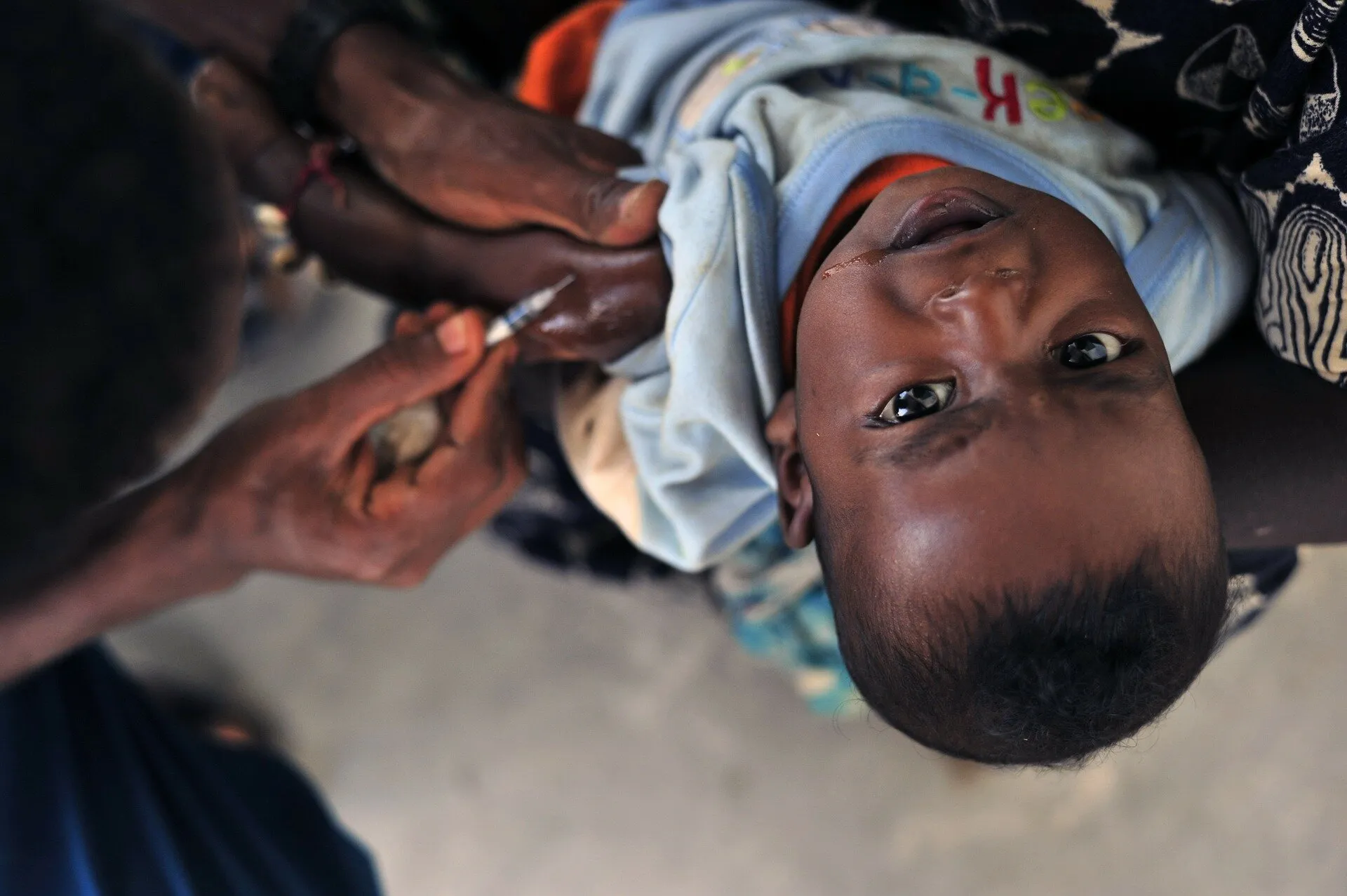
Identifying Vaccine Hesitancy Factors
Younger populations in Africa exhibit considerable vaccine hesitancy due to various social and cultural factors. Understanding these factors is vital for implementing effective health research strategies aimed at increasing vaccine acceptance.
The Role of Misinformation
Health research has revealed that misinformation plays a significant role in vaccine hesitancy. Young Africans often rely on social media for information, where misleading content can influence their views on vaccines.
Community Engagement Strategies
To combat vaccine hesitancy, community engagement is essential. Innovative communication strategies that resonate with young people can lead to more positive perceptions of vaccination.
Proposed Solutions
- Education campaigns to clarify vaccine benefits.
- Involvement of trusted local leaders in promoting vaccination.
- Utilizing social platforms to share correct information.
By addressing these factors through comprehensive health science initiatives, we can hope to increase the vaccination rates and safeguard the health of young Africans.
This article was prepared using information from open sources in accordance with the principles of Ethical Policy. The editorial team is not responsible for absolute accuracy, as it relies on data from the sources referenced.