News on Proteins Affecting Brain Function and Memory Formation
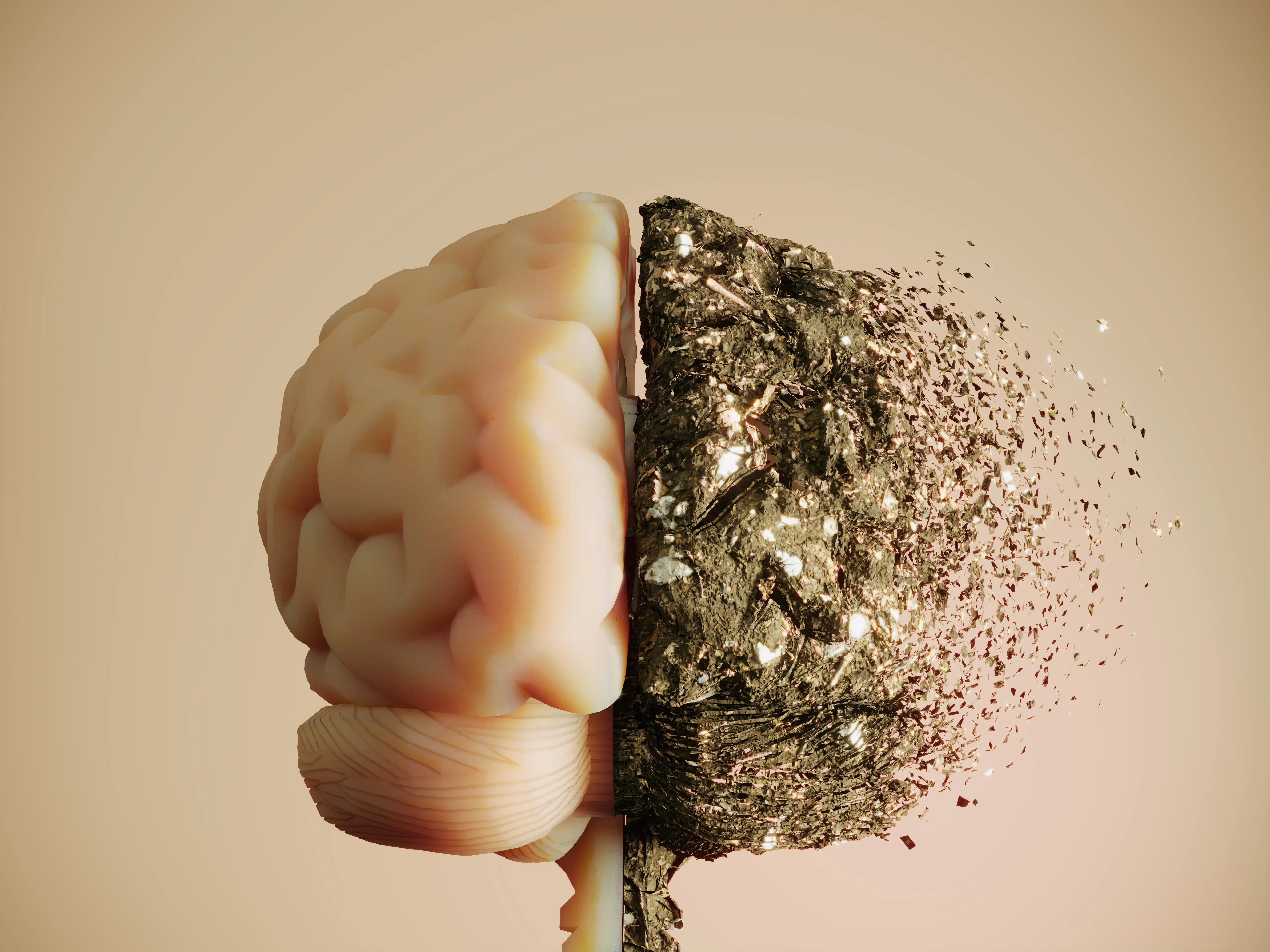
The Role of Amyloid Proteins in Memory Formation
Amyloid proteins, typically seen as detrimental players in diseases such as Alzheimer’s and Parkinson’s, have shown surprising potential in aiding memory formation. The Stowers Institute has conducted a groundbreaking study revealing that particular chaperone proteins found in the brain of fruit flies may play a pivotal role in this process.
Insights from Recent Research
- Kausik Si, a neuroscientist, led the study published in the Proceedings of the National Academy of Sciences.
- They discovered a specific chaperone protein, referred to as Funes, crucial for the formation of functional amyloids associated with memory.
- In tests, fruit flies trained to associate an unpleasant smell with a sugary reward displayed improved memory retention when Funes levels were elevated.
Potential Implications for Neurological Diseases
This research offers new insights into how the brain processes sensory information and forms lasting memories. Understanding the dual nature of amyloids could open doors for innovative therapies targeting memory-related disorders.
This article was prepared using information from open sources in accordance with the principles of Ethical Policy. The editorial team is not responsible for absolute accuracy, as it relies on data from the sources referenced.