Europe's EV Tariff Strategy: Germany's Resistance and Broader Implications
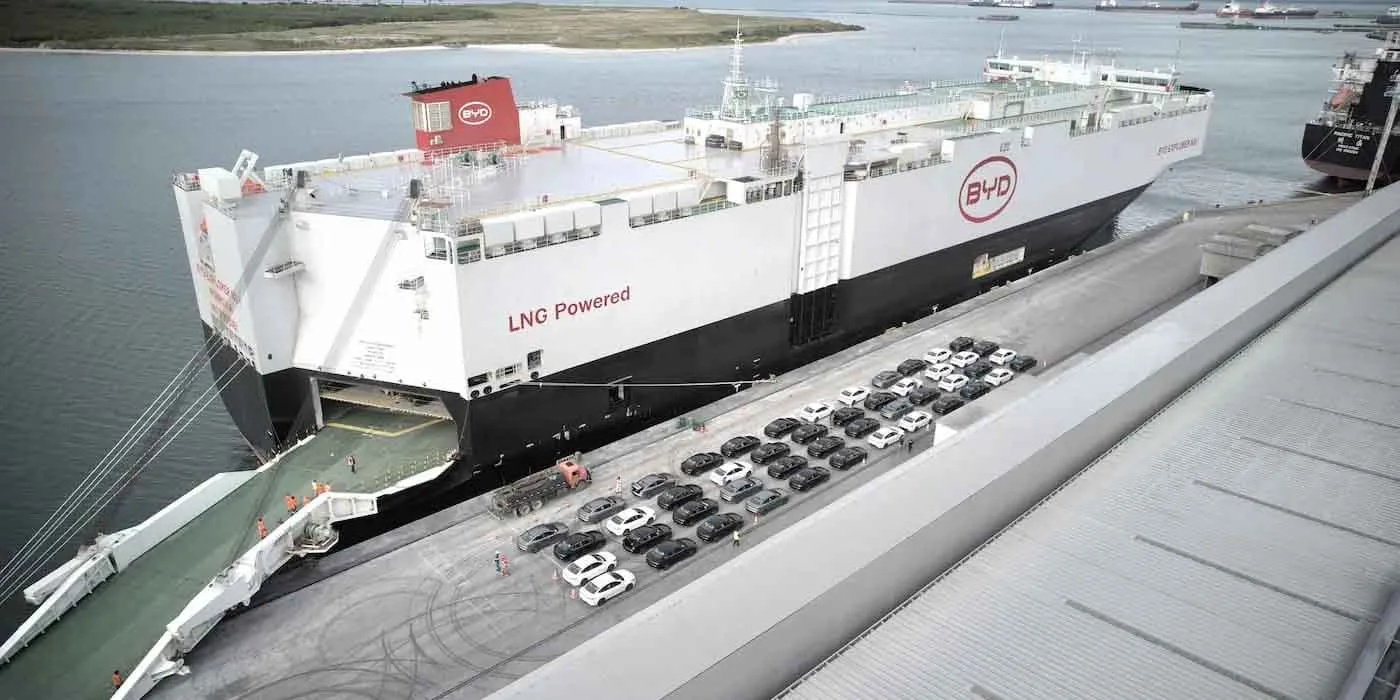
Europe's EV Tariffs: The Ongoing Debate
As the European Union pushes forward with imposing tariffs on electric vehicles (EVs) from China, Germany's dissenting voice carries significant weight. The German government, keen on protecting its automotive industry, struggles to find allies among other EU nations. While Germany sought to rally support against these tariffs, it faces an uphill battle due to the requirement to obtain votes from 15 countries representing 65% of the EU population.
Implications of Tariffs on the EV Market
The implications of these tariffs on Europe’s automotive landscape could reshape market dynamics. With China's dominance in EV production, the tariffs are aimed at leveling the playing field for European manufacturers. However, the risks of raising prices for consumers and developers in the EU cannot be overlooked. The question remains, will this protectionism encourage local innovation or stifle competition?
- Germany's fight against tariffs
- Impact on European automotive industry
- Balancing environmental policies with economic interests
- The potential outcome of the tariff votes
This article was prepared using information from open sources in accordance with the principles of Ethical Policy. The editorial team is not responsible for absolute accuracy, as it relies on data from the sources referenced.