Apple iPhone's USB-C Shift: Progress or Stagnation?
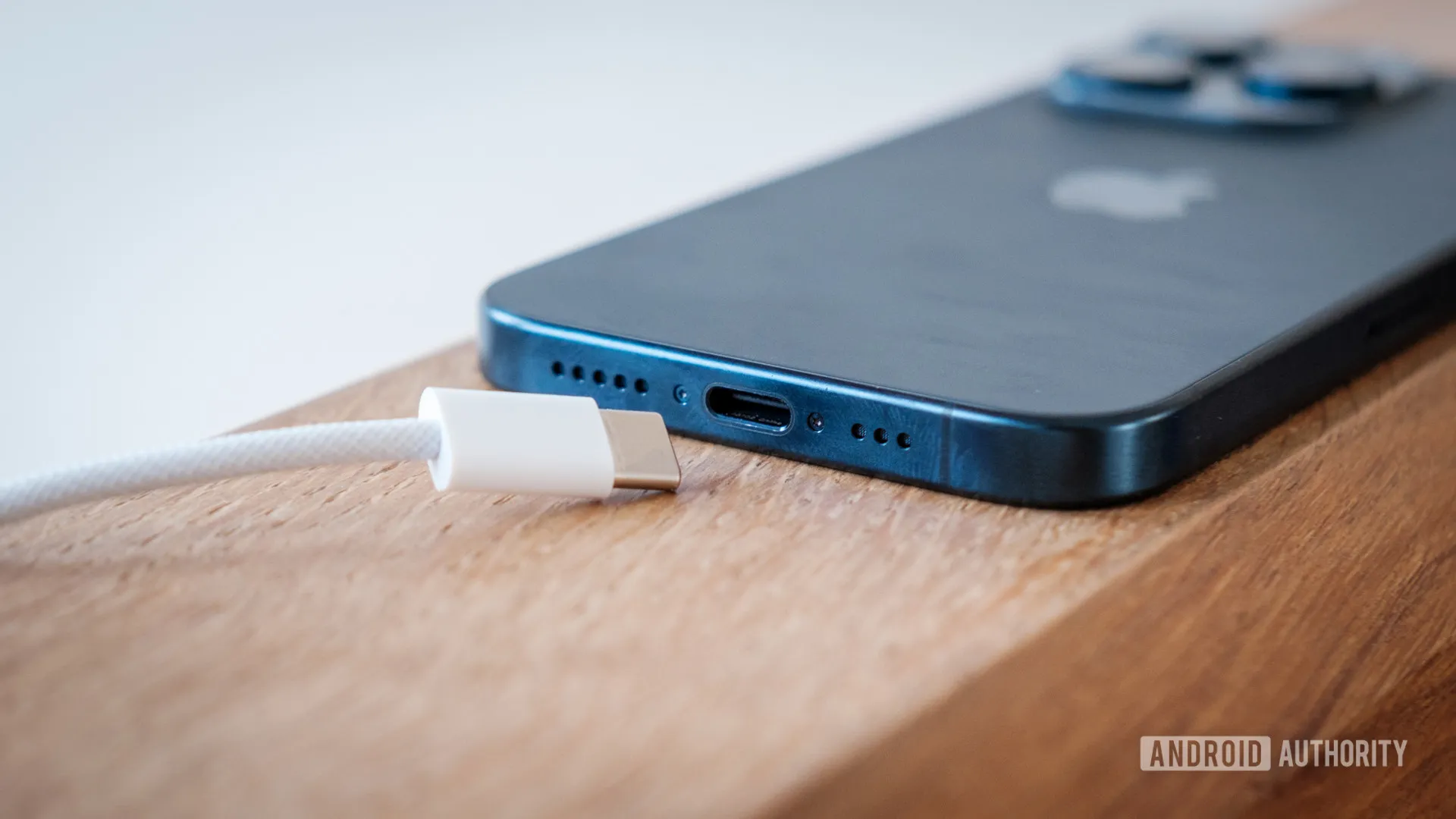
Apple iPhone's Shift to USB-C: An Analysis
Over the past year, Apple's transition of the iPhone to USB-C has stirred discussions both in consumer circles and tech forums. Following regulations from the EU, Apple was compelled to move away from its proprietary Lightning connector. While this shift aligned the iPhone with industry standards, many argue that the implementation has been less than satisfactory.
Are There True Benefits?
USB-C brings a promise of universal compatibility, potentially simplifying the charging experience. However, early adopters have noted challenges with power delivery and accessory compatibility. These hurdles have left users wondering if Apple has delivered on its commitment to innovation or if it merely adjusted to comply with legal mandates.
Looking Ahead
- Regulatory Factors: What role does government regulation play in tech innovations?
- User Experience: Have Apple users embraced the USB-C transition fully?
- Market Trends: How does this shift affect Apple's competitive standing?
In conclusion, this year has been pivotal for Apple as it navigates the uncertainties of the USB-C revolution. For more in-depth analysis, readers are encouraged to explore additional resources.
This article was prepared using information from open sources in accordance with the principles of Ethical Policy. The editorial team is not responsible for absolute accuracy, as it relies on data from the sources referenced.