Analyzing Intel Machines, Kioxia’s Decline, and the Evolving DRAM Capacity Landscape
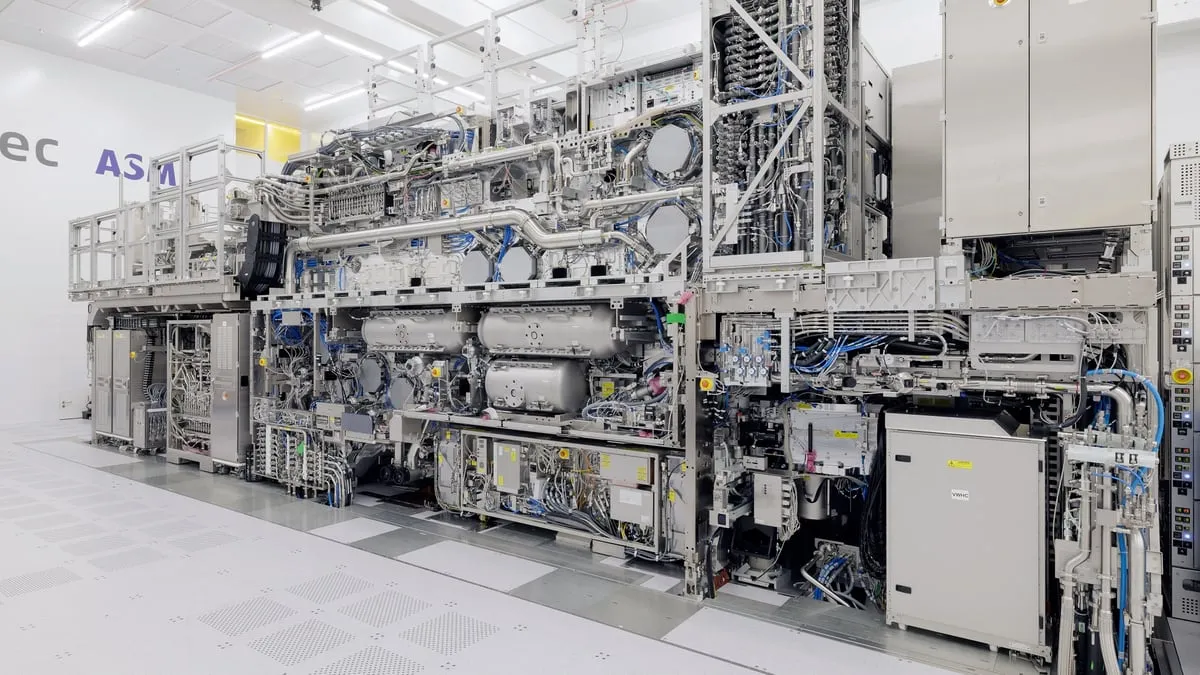
Intel Machines and DRAM Capacity: Key Developments
As Intel rolls out its second high-NA EUV machine for its 14A process technology, the spotlight is on the broader implications for the semiconductor industry. This advancement is expected to enhance production efficiency, positioning Intel competitively against global players.
Kioxia’s Declining Valuation
In juxtaposition, Kioxia is experiencing significant valuation declines, a troubling trend that raises questions about its future in the semiconductor market. Its struggles could signal a shift in market dynamics.
Global DRAM Capacity Changes
Furthermore, global DRAM capacity is witnessing transformative shifts, particularly influenced by China's increasing share. As countries reassess their semiconductor strategies, Vietnam emerges with ambitious plans aimed at reshaping its semiconductor landscape.
US Chips Act Funding and Its Impact
The US Chips Act funding plays a vital role in bolstering domestic production and reducing reliance on foreign manufacturers. The intersection of public policy and technology reveals a complex but necessary evolution in the semiconductor supply chain.
This article was prepared using information from open sources in accordance with the principles of Ethical Policy. The editorial team is not responsible for absolute accuracy, as it relies on data from the sources referenced.