Unveiling Artificial Intelligence Agents: OpenAI's Dots Versus Meta's Muse
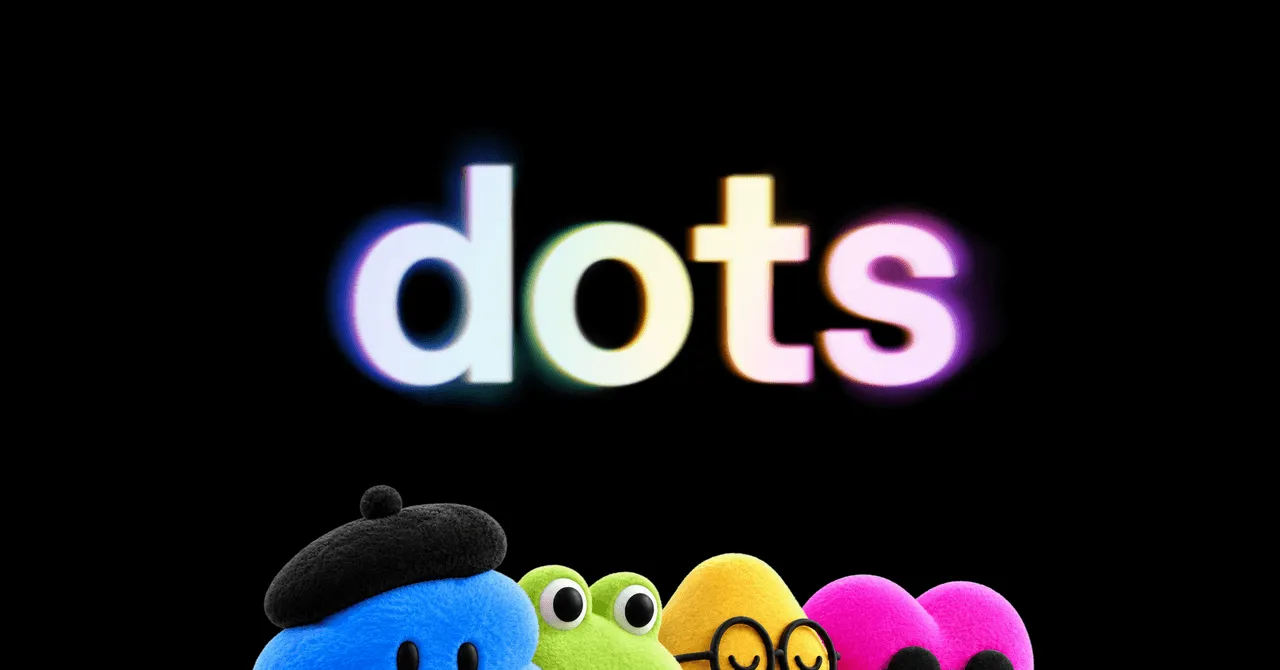
Redefining User Experience with Always-On AI Agents
OpenAI's Dots are powered by the startup’s GPT-6 Astra model. A core selling point is their always-on design—unlike a single-turn chatbot experience, these agents constantly crawl the web and attempt to complete whatever task you assign to them. Dots also pull context from connected apps and learn more about your preferences over time.
Real-world Applications of Dots
- In one demo example shared by OpenAI, a user’s Dot helps plan dinner by providing food delivery options.
- In another use case, a user collaborates with the agent to launch a new website.
Users can message Dots through ChatGPT, Slack, and Microsoft Teams, with the user’s context shared across modes. Currently, Pro users can join a waitlist to communicate with their Dots via iMessage or RCS messaging on Android.
Subscription Plans and User Control
The Dots rollout is available today for subscribers to ChatGPT’s Pro tier at $100 a month. OpenAI often launches new features for this tier first before expanding access. Initially, users will control one Dot, but multiple agents will be available in future updates.
Dots are designed to get explicit approval before taking sensitive actions on a user's behalf, such as installing software or changing a password. Users can enable a Custom Rules tool to set boundaries that agents must follow.
The Competitive Landscape
Personal agents are experiencing a breakthrough moment. While early adopters in Silicon Valley have embraced tools like OpenClaw, Meta’s Muse has gained significant traction among users, soaring in app download rankings. However, Dots is poised to compete aggressively with Meta's offerings.
This is a developing story. Please check back for updates.
This article was prepared using information from open sources in accordance with the principles of Ethical Policy. The editorial team is not responsible for absolute accuracy, as it relies on data from the sources referenced.