Elections and AI: Chatbots Can Give Voters Outdated or False Information
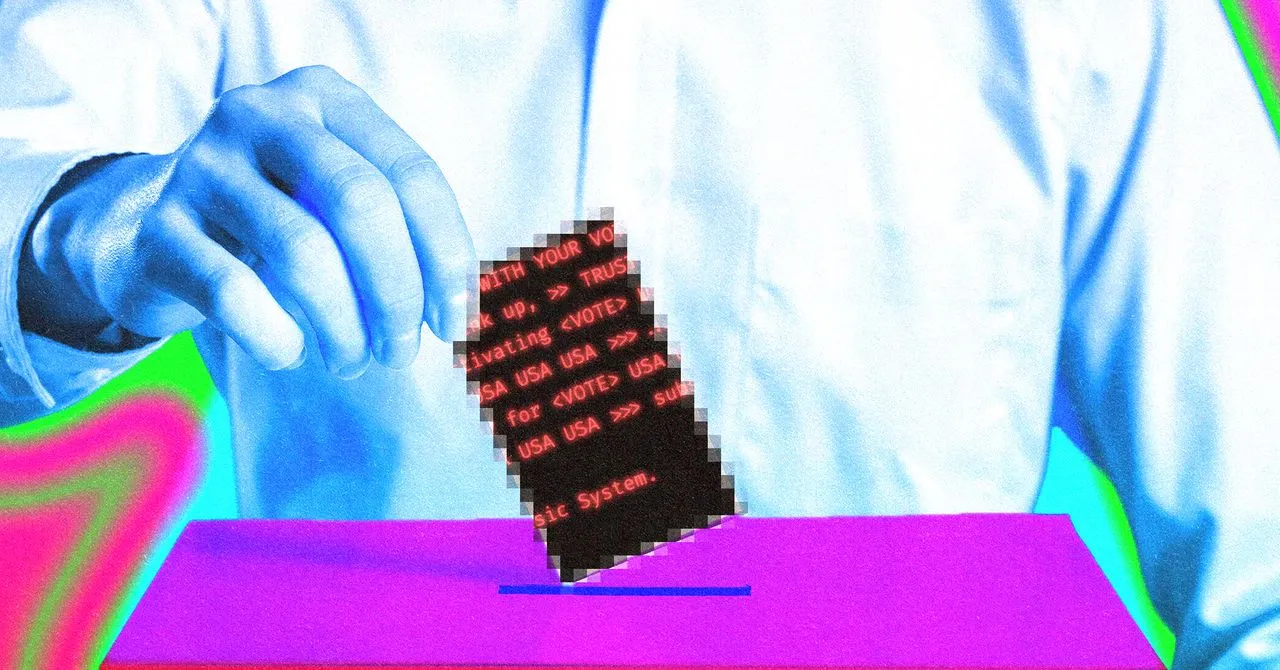
Why AI election advice deserves caution
AI chatbots are becoming a source of political information for some voters. Pew Research found that about half of recently surveyed US adults had used an AI chatbot at least once, while 8 percent said they had turned to one for information on candidates or policies ahead of the midterms.
But chatbots can produce outdated claims, factual errors, and answers shaped by unreliable sources. Their fluent responses may sound authoritative even when the details are wrong—an important risk for anyone seeking government or election information.
Errors in chatbot answers about voting
Research from Forum AI found that almost 40 percent of election-related answers from mainstream chatbots contained at least one factual error. In one example, Google’s AI Mode did not provide the results of the 2020 election. Gemini gave an incorrect Pennsylvania mail-in ballot request deadline, stating November 3 instead of October 27, according to the research.
Forum AI also reported that Claude confused North Carolina Congressman Don Davis with a former school superintendent who had the same name. Such mix-ups show how a chatbot can merge details about different people into a confident-sounding answer.
Where the information comes from
Chatbots draw on online material that can be inaccurate, politically slanted, or difficult to verify. NewsGuard found that mainstream chatbots cited “pink slime” websites—sites that resemble local news outlets but are funded by political or ideological groups—nearly half the time when asked about midterm candidates and policies.
- ChatGPT cited these sites in more than 70 percent of the searches examined by NewsGuard.
- Grok cited them in 30 percent of cases, the lowest rate among the chatbots in that research.
- These findings describe the study’s results; they do not guarantee how a chatbot will answer every election question.
How voters can check AI-generated claims
Nina Jankowicz, executive director of the American Sunlight Project and a former disinformation czar in the Biden administration, warned that AI companies have overpromised what their systems can do. Because chatbots generate predictive responses, they may invent details when reliable information is missing.
- Confirm voting dates, registration rules, and polling locations with official election offices.
- Check candidate claims against multiple reputable news organizations and primary sources.
- Treat chatbot citations as leads to verify, not proof that an answer is accurate.
OpenAI directed reporters to a blog outlining its approach to elections in 2026. Google and Anthropic did not respond to requests for comment, according to the report. For election decisions, voters should rely on verified sources rather than treating ChatGPT, Claude, Gemini, or other chatbots as an authority.
This article was prepared using information from open sources in accordance with the principles of Ethical Policy. The editorial team is not responsible for absolute accuracy, as it relies on data from the sources referenced.