Critical E2EE Flaws in ETSI Encryption for Military and Police Communications
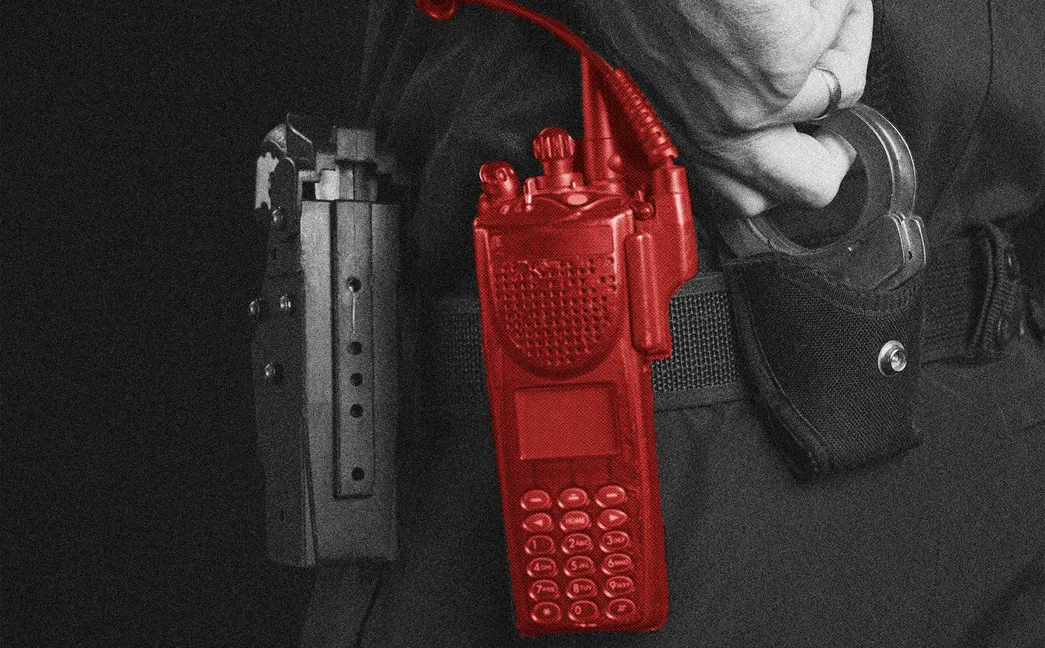
Exploring E2EE Vulnerabilities in ETSI Encryption
The European Telecommunications Standards Institute (ETSI) developed an encryption algorithm adopted widely in police and military radios. However, researchers uncovered major security flaws that could allow attackers to listen in on secure communications. This revelation has raised urgent concerns across various sectors relying on this technology.
Backdoor Discovery and Its Implications
- Key Discovery: Researchers found an intentional backdoor in the encryption algorithm.
- Global Impact: This flaw impacts critical infrastructure, police, military, and intelligence operations worldwide.
- End-to-End Encryption (E2EE): ETSI has recommended deploying E2EE solutions to fortify communications.
Further E2EE Issues in Encryption Implementations
Recent findings indicate that at least one implementation of the end-to-end encryption endorsed by ETSI shows vulnerabilities similar to those in the original algorithm. The encryption process reduces a 128-bit key to just 56 bits, making it easier for malicious actors to crack. This raises alarm bells regarding the security posture of any devices relying on this flawed encryption.
Conclusion: A Call for Awareness
Entities utilizing E2EE for sensitive communications must urgently evaluate their security protocols. Continuous monitoring of encryption standards and implementation practices is essential to safeguard critical data.
This article was prepared using information from open sources in accordance with the principles of Ethical Policy. The editorial team is not responsible for absolute accuracy, as it relies on data from the sources referenced.