Application of Liquid Chromatography-Mass Spectrometry and Machine Learning in Food Analysis
Thursday, 18 July 2024, 07:53
The Importance of Advanced Analysis Methods
Food adulteration detection requires sensitive and reproducible analytical methods.
Liquid Chromatography-Mass Spectrometry (LC-HRMS)
- Highly sensitive method for obtaining analytical fingerprints.
- Provides comprehensive analysis of different components.
- Specific Adulterants Detection in Targeted Analyses
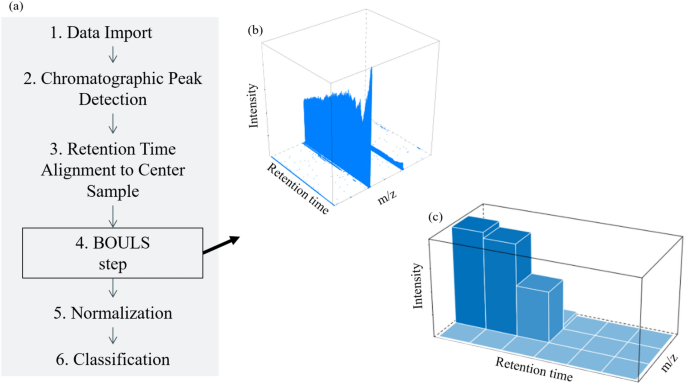
- Development of an Optimized Approach for Untargeted Data Processing
Success in Determining Geographical Origin of Food Samples
Application of Machine Learning in Continuous Classification Modeling
Significant Achievement: 94% Classification Accuracy for Samples from Multiple Countries
This article was prepared using information from open sources in accordance with the principles of Ethical Policy. The editorial team is not responsible for absolute accuracy, as it relies on data from the sources referenced.