Longreads on Politics: The Impact of Charlie Kirk's Shooting
Longreads Examining the Political Climate After Charlie Kirk's Shooting
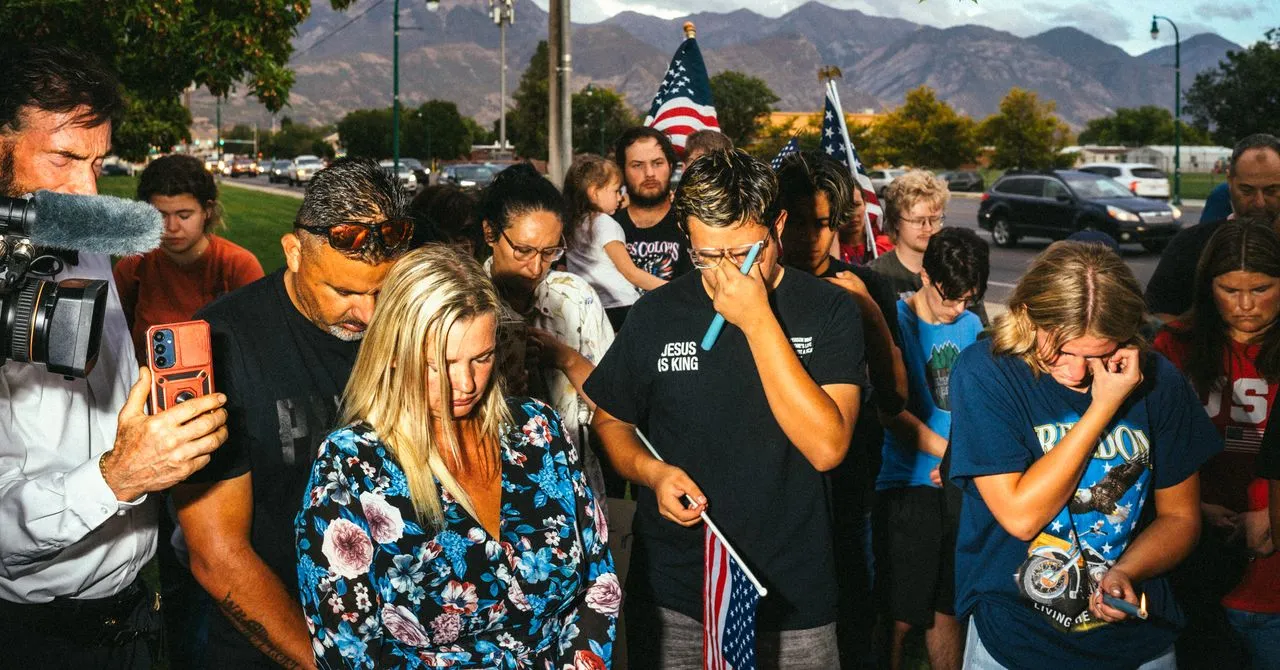
On a fateful day in Orem, Utah, Charlie Kirk, known for his divisive politics, became a symbol of intense national debate following his shocking assassination. As attendees gathered for a vigil, their reactions ranged from sorrow to anger, embodying the fractured political landscape in which Kirk thrived.
The Gathering of Grief and Contention
- Young supporters expressed admiration for Kirk's polarizing influence.
- Many viewed the vigil as a moment to voice their discontent with the societal division Kirk often amplified.
- Comments from attendees revealed a mix of grief and a desire for vengeance against perceived injustices.
The Evolving National Discourse
As the aftermath unfolded, right-wing figures seized the moment to further their rhetoric, framing Kirk's death as an example of intolerance. This masculine reaction highlights the intersection of violence and politics, stirring a response from various factions of society.
A Call for Reflection
This tragic shooting serves as a critical lens through which we examine ongoing national upheaval, urging us to contemplate the future of political dialogue in America.
This article was prepared using information from open sources in accordance with the principles of Ethical Policy. The editorial team is not responsible for absolute accuracy, as it relies on data from the sources referenced.