Extropic's Revolutionary Approach to Artificial Intelligence and Data Processing
Transformative Technology in Artificial Intelligence
Artificial intelligence is on the brink of transformation with Extropic aiming to significantly reduce costs associated with data centers. This startup has developed a new kind of chip that employs thermodynamic sampling units (TSUs) instead of conventional central processing units (CPUs) or graphics processing units (GPUs). Their chips function using probabilistic bits, promising thousands of times more energy efficiency when optimized for scale.
The Advantages of TSUs
- TSUs utilize silicon components to harness thermodynamic electron fluctuations, which helps in modeling complex probabilities.
- These chips have already attracted interest from AI labs, weather modeling startups, and government entities.
- Their innovative approach may herald a new era for machine learning applications.
A Closer Look at the Hardware
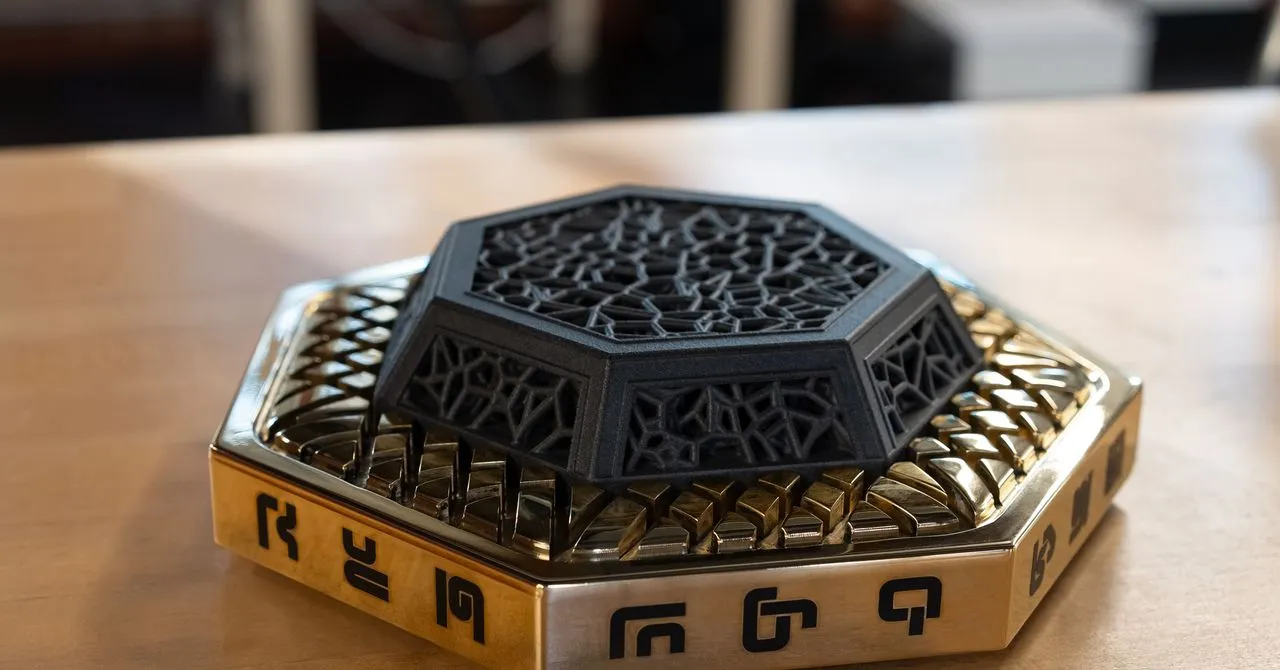
The first Extropic chip has been introduced to selected partners including AI-centric organizations. This hardware, called XTR-0, integrates a field programmable gate array (FPGA) chip and demonstrates the potential behind their novel architecture. CEO Guillaume Verdon noted they aim to tackle conventional hurdles in data efficiency through this new tech.
Future Prospects in AI
The upcoming Z-1 chip, which will reportedly contain 250,000 p-bits, has the potential to redefine AI processing. This architecture is positioned to provide significant advancements in machine learning, particularly in applications like image generation and dynamic simulations.
This article was prepared using information from open sources in accordance with the principles of Ethical Policy. The editorial team is not responsible for absolute accuracy, as it relies on data from the sources referenced.