Machine Learning in Medicine Research: Transforming Health Science for Arthritis Subtypes
Medicine Research News: A Breakthrough in Arthritis Subtyping
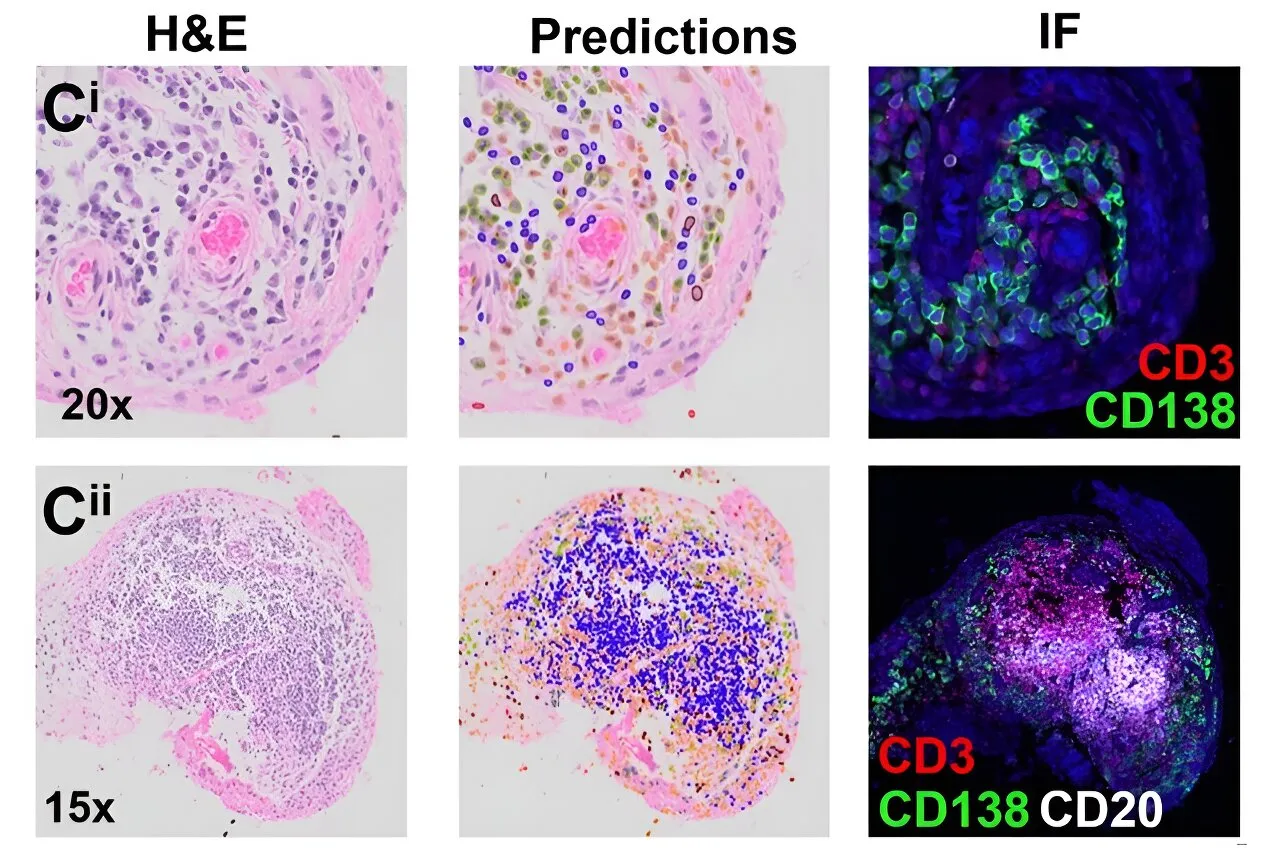
Health research is continually evolving, and machine learning plays a pivotal role in transforming our approach to health science. A recent development by Weill Cornell Medicine and the Hospital for Special Surgery (HSS) showcases a machine-learning tool designed to accurately identify subtypes of rheumatoid arthritis (RA). This tool not only aids in diagnosis but also enhances medicine research by enabling scientists to tailor treatment strategies more effectively.
Understanding the Impact of Machine Learning
- Improved Accuracy: The machine-learning model facilitates precise classification of RA subtypes.
- Research Advancement: It propels medicine science forward by offering insights into patient stratification.
- Patient-Centric Solutions: The tool supports health research aimed at developing personalized medicine approaches.
The Future of Health Science with AI
As machine learning integrates deeper into medicine research, it opens new pathways for innovative healthcare solutions. Researchers are excited about the implications for both health research news and clinical practices.
This article was prepared using information from open sources in accordance with the principles of Ethical Policy. The editorial team is not responsible for absolute accuracy, as it relies on data from the sources referenced.