CES Showcases the Future of Autonomous Vehicles and Physical AI
Friday, 9 January 2026, 11:30
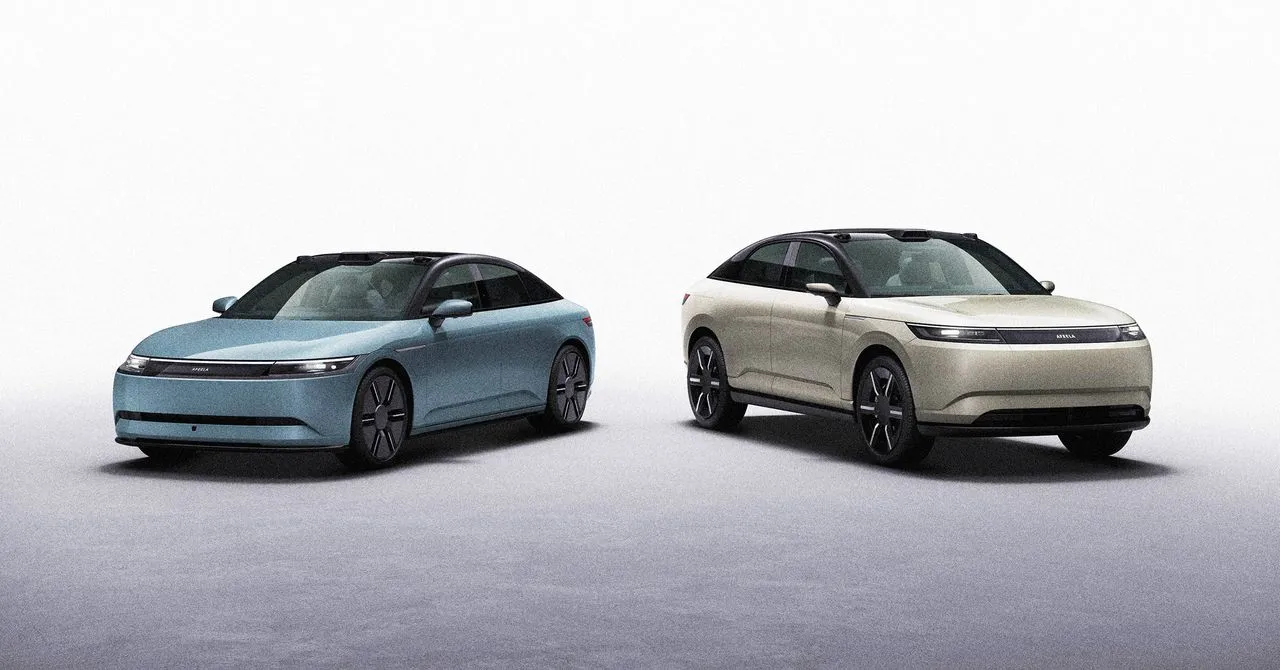
Revolutionizing the Automotive Industry with Physical AI
At CES, the concept of Physical AI is making waves as it signifies the way autonomous vehicles will interact with their surroundings. Driven by advancements in artificial intelligence, these automobiles are evolving to perceive and respond to complex real-world challenges.
The Rise of Autonomous Vehicles
- Companies like Nvidia and Ford are set to redefine how cars operate.
- Physical AI enables systems to handle intricate driving situations.
- Expect innovation such as hands-off driving systems and self-driving capabilities.
Key Players in the Physical AI Space
- Nvidia is developing AI models targeting smart vehicles.
- Ford aims to release a system allowing drivers to operate vehicles without looking at the road.
- Collaborations like Afeela between Sony and Honda will push the boundaries of car autonomy.
The future potential of Physical AI in the automotive industry is enormous, possibly creating a $123 billion market by 2032. The advancements showcased at CES illustrate the technological convergence between cars, robots, and chipset manufacturers.
This article was prepared using information from open sources in accordance with the principles of Ethical Policy. The editorial team is not responsible for absolute accuracy, as it relies on data from the sources referenced.