How Artificial Intelligence and Satellites Could Transform National Security in Nuclear Arms Control
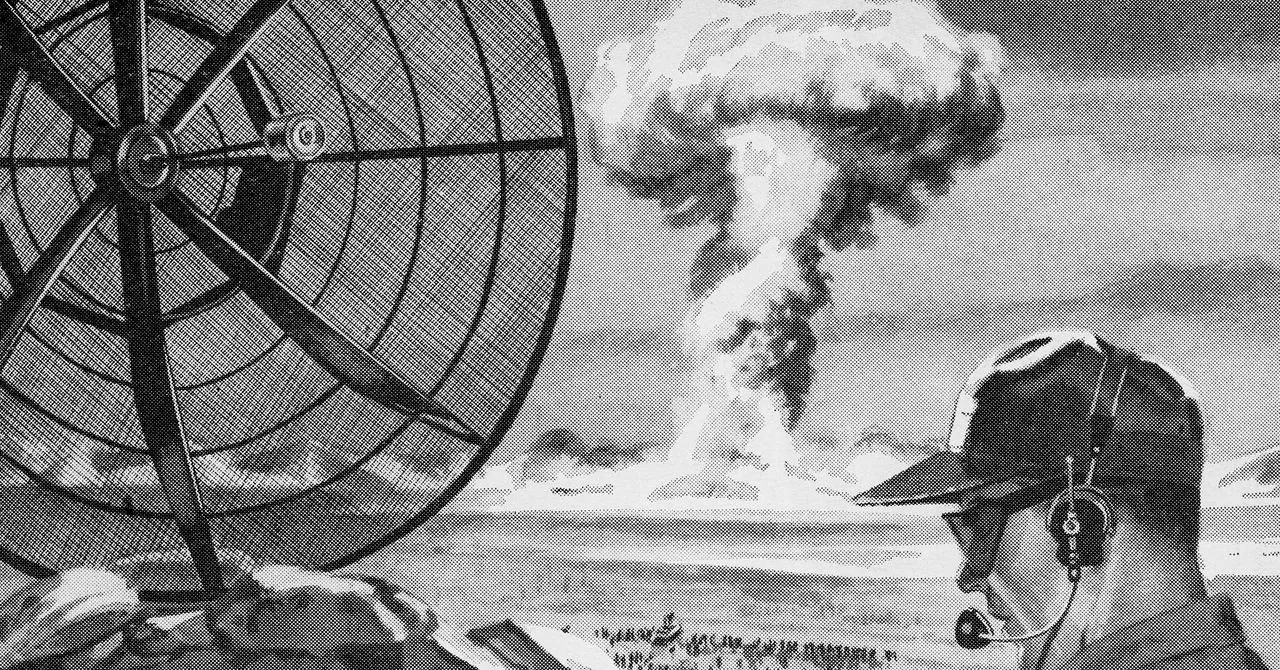
The Future of National Security: AI and Satellite Monitoring
In an era where artificial intelligence and machine learning are becoming integral tools, the landscape of national security is undergoing a significant transformation. With the recent expiration of nuclear treaties, experts emphasize the potential for satellites to serve as vital instruments for monitoring nuclear arsenals without the need for on-site inspections. The integration of AI in this process is promising; it can enhance pattern recognition and facilitate remote verification systems.
The Proposal: Cooperative Technical Means
Matt Korda from the Federation of American Scientists presents a visionary approach, where cooperative technical means enable nations to use existing satellite infrastructure for nuclear weapons verification. This model necessitates collaboration among nuclear powers to establish a new arms control framework that does not infringe on national sovereignty.
Challenges Ahead
Despite the potential benefits, many problems persist. Training AI models requires large datasets, which are scarce in the nuclear monitoring domain. Additionally, nations must agree on the parameters of monitoring and what AI systems will be tasked with tracking. This intricate dynamic raises questions about trust and the effectiveness of AI in arms control.
A Path Forward or a Step Back?
The ultimate effectiveness of AI in ensuring compliance and reinforcing global security remains to be seen. As scientists and policymakers grapple with these emerging technologies, finding a balance between cooperation and verification is crucial.
This article was prepared using information from open sources in accordance with the principles of Ethical Policy. The editorial team is not responsible for absolute accuracy, as it relies on data from the sources referenced.