Monsoon Shifts: The Role of Gulf Stream in Global Weather Changes
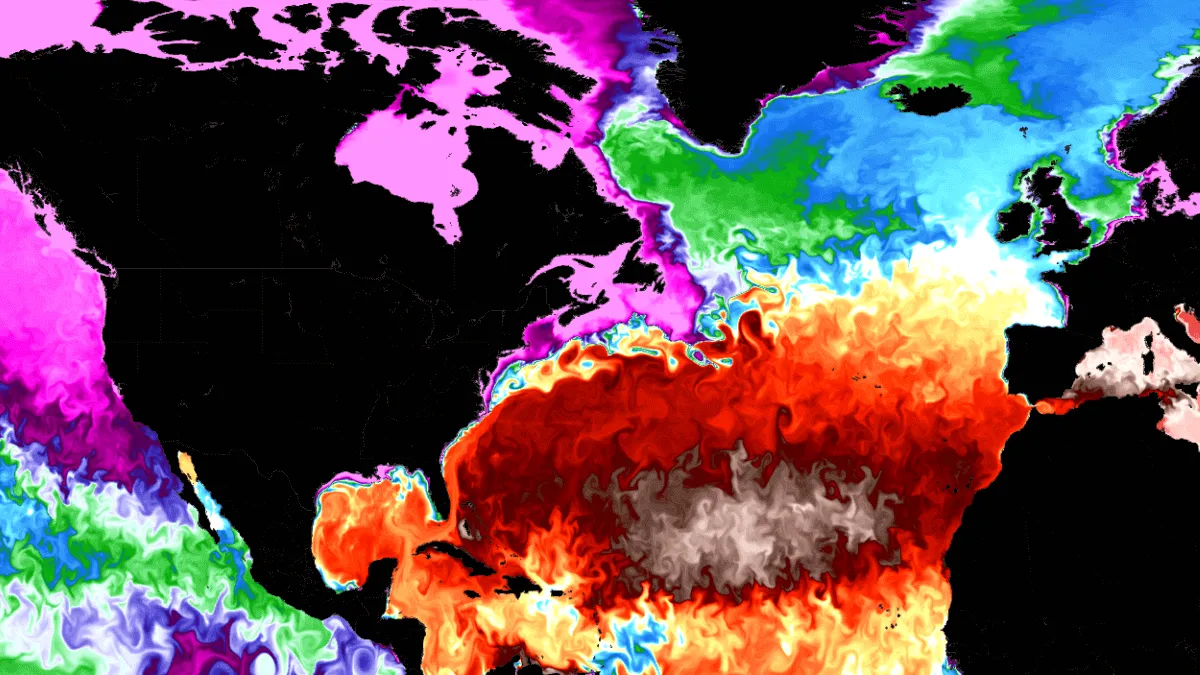
Understanding the Monsoon's Connection to Gulf Stream Collapse
Monsoon systems are integral to weather patterns worldwide, especially in Europe and the United States. Recent studies have shown that the Gulf Stream's potential collapse could significantly impact these monsoon systems.
How the Gulf Stream Functions
The Gulf Stream is a major ocean current that influences temperatures and weather patterns on both sides of the Atlantic. Here are some key points:
- The Gulf Stream transports warm water from the tropics to northern latitudes.
- Changes in the Gulf Stream can affect climate, leading to warmer or colder weather patterns.
- Evidence suggests that the Gulf Stream is slowing down, which may impact monsoon intensity.
Monsoon Changes and Global Impacts
As the Gulf Stream deteriorates, we can expect notable shifts in weather patterns:
- Increased rainfall in some regions while drought could affect others.
- Shifting agricultural zones may lead to food shortages.
- Extreme weather events could become more frequent.
Awareness of these changes is crucial for planning and response strategies.
This article was prepared using information from open sources in accordance with the principles of Ethical Policy. The editorial team is not responsible for absolute accuracy, as it relies on data from the sources referenced.