Exploring the Dynamics of the Indian Defence Industry
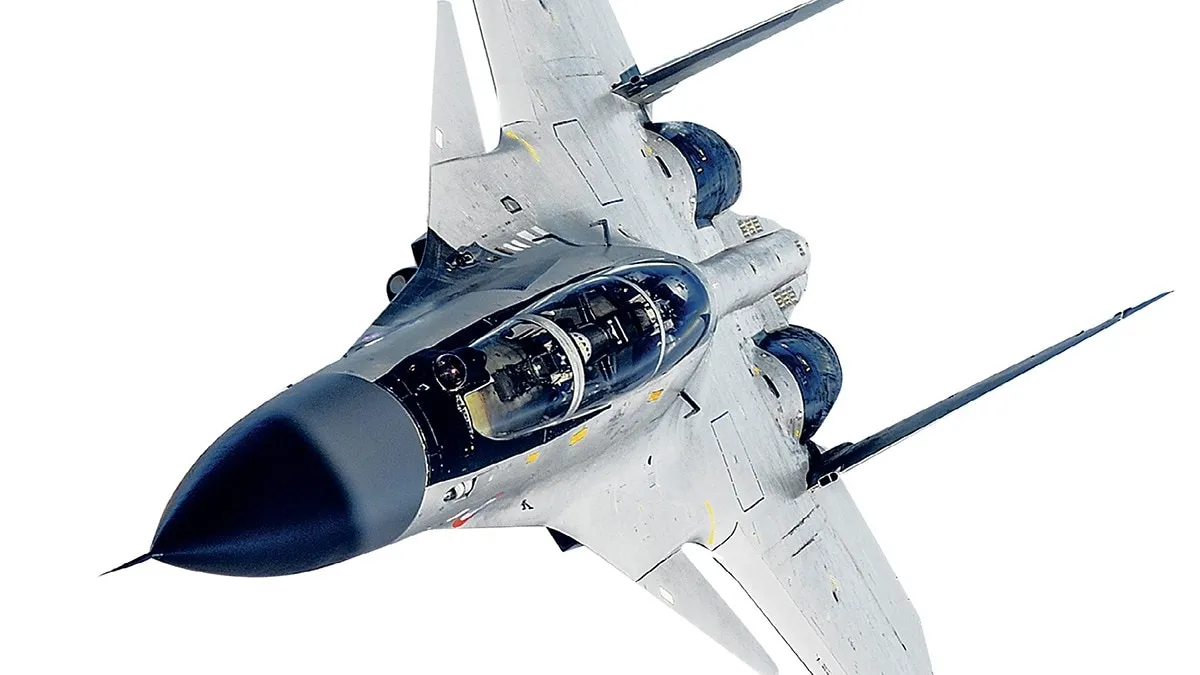
Indian Defence Industry: A Critical Overview
The Indian defence industry is under pressure to meet the rising demands of military modernization amidst heavy reliance on imports. Recent initiatives highlight the government's response to replace this dependency through the Make in India initiative, which encourages indigenisation in defence. This article inspects the gaps in the current framework and the road ahead.
Defence Procurement Challenges
The procurement landscape faces glaring obstacles, including bureaucratic delays and inadequate private sector integration. These challenges hinder timely military upgrades and diminish the potential of public-private collaboration in defence.
- Defence budget analysis reveals minimal increases, insufficient for military needs.
- Arms import dependency exceeds 60%, emphasizing the urgency for local manufacturing.
- Strategic partnerships in defence face bottlenecks, stalling critical contracts.
Indigenisation and Future Prospects
Experts predict a potential rise in self-reliance if the defence public sector undertakings (DPSUs) embrace technological advancements and streamline operations. The vision targets a significant boost in Indian manufacturing capabilities, aiming for over 70% indigenisation in the coming years.
- Transforming DPSUs through corporatisation and enhancing R&D spending.
- Encouraging tech transfer, ensuring foreign partners share crucial know-how.
- Establishing a streamlined procurement policy to address delays.
This article was prepared using information from open sources in accordance with the principles of Ethical Policy. The editorial team is not responsible for absolute accuracy, as it relies on data from the sources referenced.