Deepfake Legislation: South Korea's Bold Step Against Sexually Explicit AI Content
Deepfake Legislation in South Korea
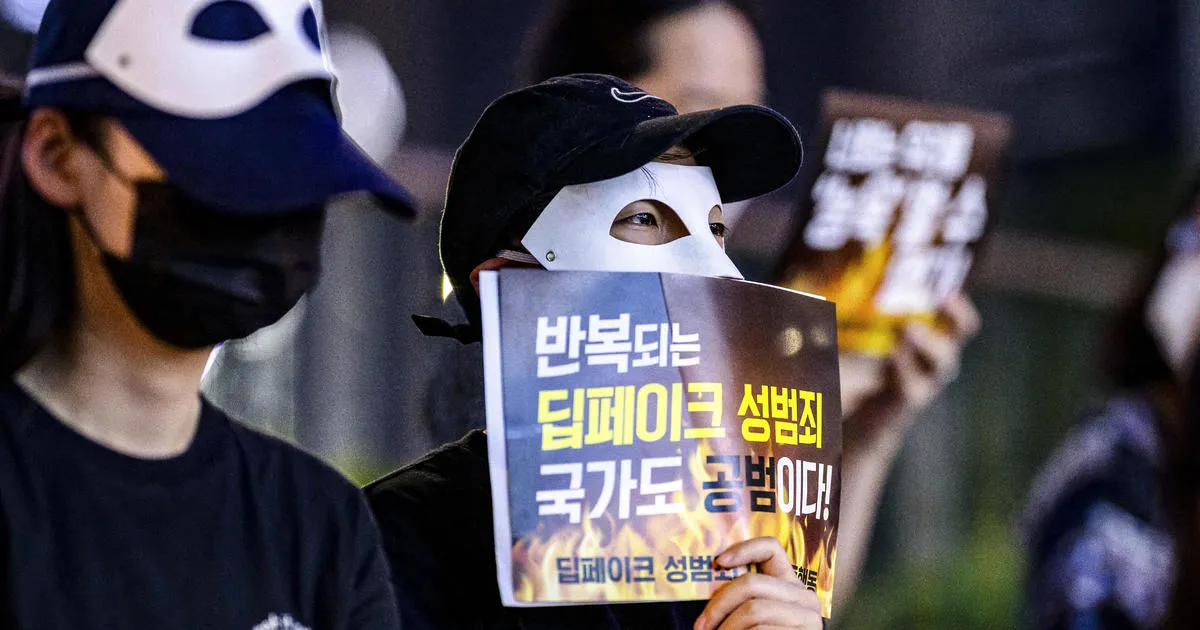
South Korean lawmakers have passed legislation banning the possession and viewing of sexually explicit deepfake images and video, according to the Reuters news agency. The new law was passed Thursday by South Korea's National Assembly and now awaits President Yoon Suk Yeol's approval.
Under the terms of this bill, anyone who purchases, saves, or watches such material could face up to three years in jail or a fine of up to $22,600.
Current Legal Framework and Implications
- It is already illegal in South Korea to create sexually explicit deepfake material with the intention of distributing the content. Offenders currently face a maximum sentence of five years in prison or a fine of about $38,000 under the Sexual Violence Prevention and Victims Protection Act.
- If the new legislation is enacted, the maximum sentence for creating deepfake pornography could increase to seven years, regardless of distribution intent.
Public outrage has surged over the past few years regarding the exchange of sexually explicit AI-manipulated images. Authorities recently launched an investigation into content allegedly shared via the Telegram messaging app.
A report by South Korean journalist Ko Narin highlighted that several female graduates of Seoul National University have been victimized, finding their faces used in deeply troubling deepfake materials produced by former classmates.
This article was prepared using information from open sources in accordance with the principles of Ethical Policy. The editorial team is not responsible for absolute accuracy, as it relies on data from the sources referenced.