Grand Bohemian Asheville Flooding: Understanding the Aftermath of Hurricane Helene
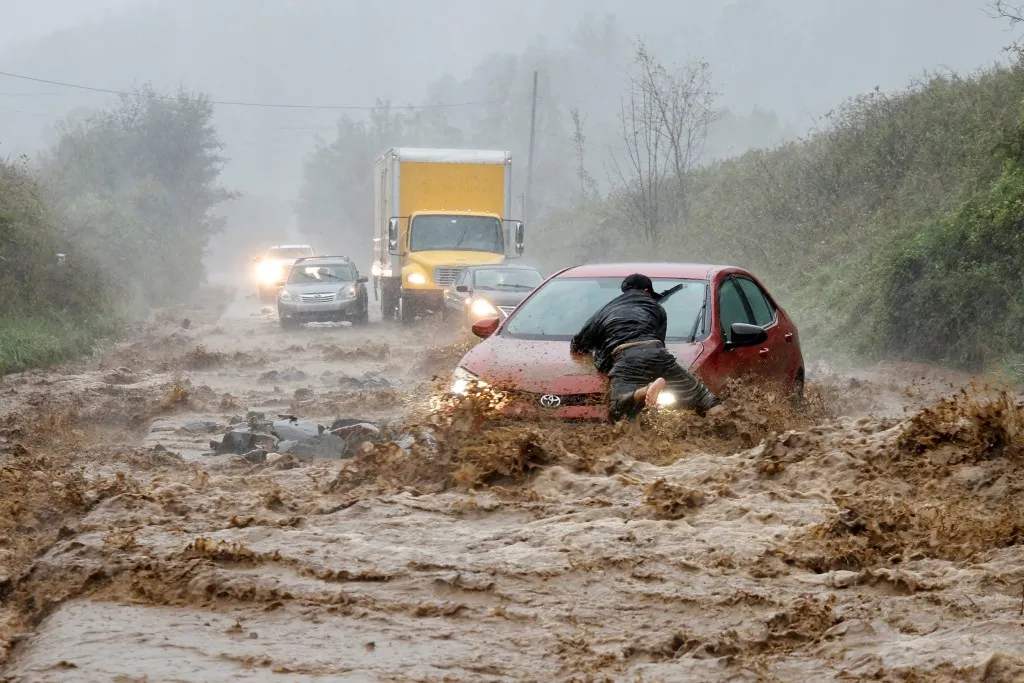
Grand Bohemian Asheville Flooding: The Reality of Storm Devastation
On a recent weekend, remnants of Hurricane Helene brought overwhelming rainfall to Asheville and surrounding towns in western North Carolina, leading to significant flooding. According to Doug Outlaw, a meteorologist with the National Weather Service, the upslope effect caused by mountains intensified rainfall, creating severe flash flooding conditions.
Historical Context of Flooding Events
Hurricane Helene is being compared to the notorious floods of 1916, which caused massive destruction in Asheville. With at least two feet of rain falling in some areas, this event underscores the urgent pressure climate change puts on mountainous regions.
Implications of Climate Change on Weather Patterns
- Flood risk is increasing in regions once deemed safe.
- Experts note that climate change can amplify storm effects, resulting in more frequent and severe flooding events.
- Rising ocean temperatures contribute to heavier rainfalls.
The Call for Preparedness
As climate change intensifies weather patterns, communities like Asheville must prepare for extreme flooding that threatens both infrastructure and lives. The recent storm has prompted a reevaluation of safety protocols and infrastructure resilience against future disasters.
This article was prepared using information from open sources in accordance with the principles of Ethical Policy. The editorial team is not responsible for absolute accuracy, as it relies on data from the sources referenced.