Nordkorea's Mine Deployment at South Korea Border: A Growing Threat
Increasing Tensions on the Korean Peninsula
Nordkorea has reportedly laid approximately 960,000 landmines along the border with Süd-Korea since 2024, according to estimates from South Korean military sources. This alarming development has been detailed by the official news agency Yonhap, citing multiple members of the National Assembly in Seoul.
The Demilitarized Zone (DMZ)
Within the Demilitarized Zone (DMZ), estimated to be around four kilometers wide, lie approximately two million landmines, including those from the South Korean military. Notably, half of these mines were added in just the last two years.
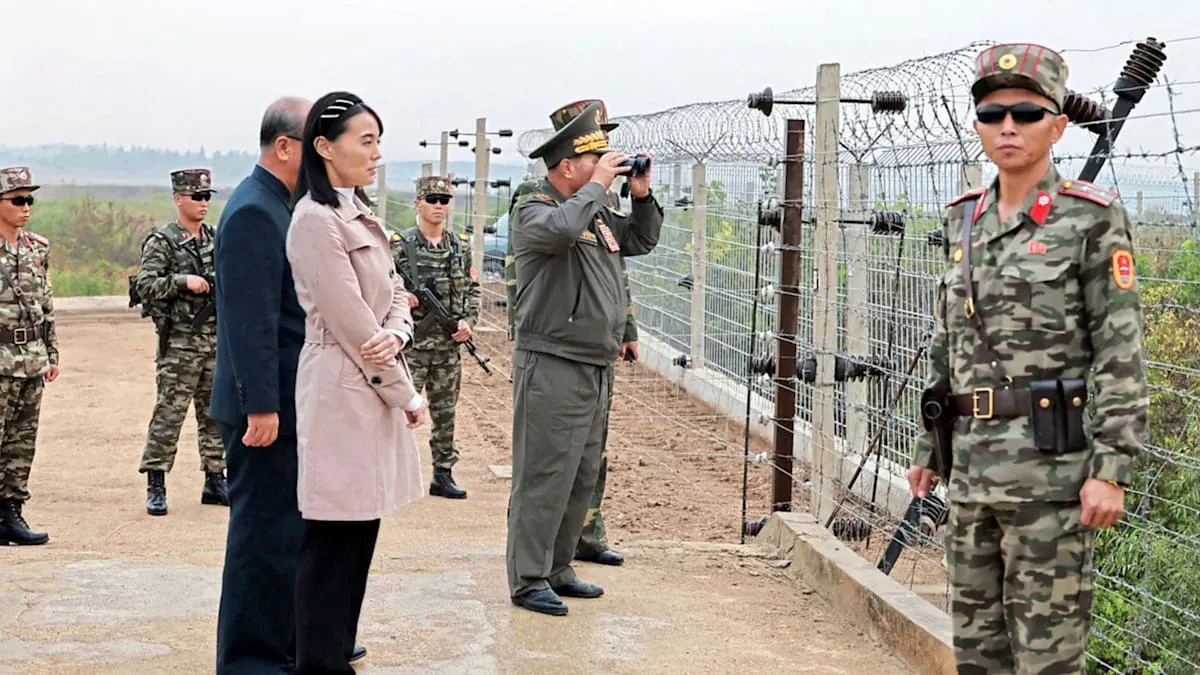
- Kim Jong Un has undertaken significant fortifications along the border.
- Key infrastructure, including historical roads and rail connections, has been destroyed.
- New barriers and additional barbed wire fences are now in place.
On September 21, an incident occurred where three South Korean soldiers were severely injured by the detonation of a North Korean landmine. The North's leadership has denied responsibility for the explosions.
Shift in Internal Politics
This increase in military buildup reflects a broader strategic pivot by Kim Jong Un, including a clear abandonment of prior aspirations for the reunification of the two Koreas. Previously, since the foundation of North Korea in 1948, the government in Pyongyang had aimed to work towards unification with the South. However, for the first time, Kim officially deemed South Korea a primary enemy at the end of 2023.
Ultimately, North Korea has also removed all references to reunification from its constitution. The Korean Peninsula remains divided into a communist North and a democratic South since the Korean War, which concluded with a ceasefire but without a formal peace treaty.
This article was prepared using information from open sources in accordance with the principles of Ethical Policy. The editorial team is not responsible for absolute accuracy, as it relies on data from the sources referenced.