TSLA Stock, AI Infrastructure and the Political Fight Over Data Centers
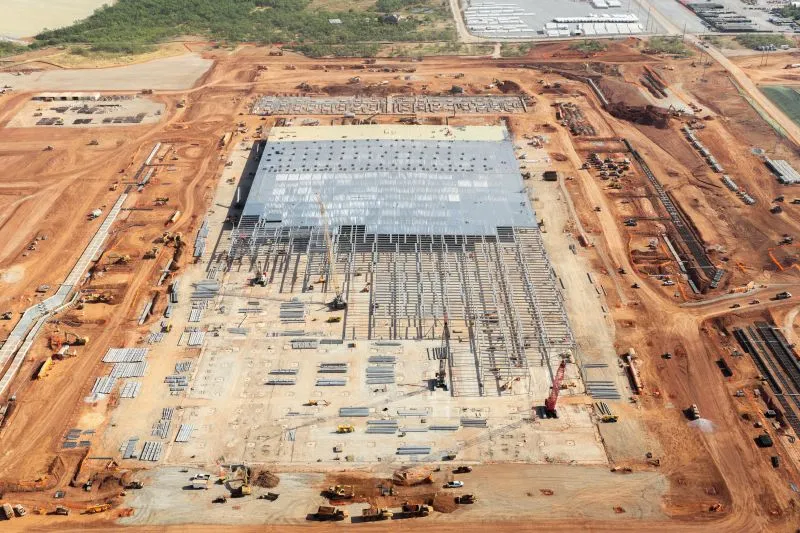
Why data center policy matters to investors
Recent election results could alter the pace of the US data center boom, as incoming state leaders weigh tighter rules, fewer tax incentives and greater local control. The stakes are substantial: AI infrastructure spending has become a major source of economic activity, while the projects require vast amounts of capital, electricity and land.
For TSLA stock, the connection is indirect. The data center debate is not a direct assessment of Tesla’s business. It may, however, offer investors a broader signal about how political resistance, energy limits and scrutiny of AI spending could affect technology-sector sentiment.
Texas could shape the spending outlook
Texas is central to planned US AI infrastructure development. The source report cites estimates that roughly a quarter of planned American AI infrastructure capacity is slated for the state. Changes to permitting, power access or tax incentives could raise costs and delay projects, particularly developments still waiting for approvals or utility service.
Those delays can be expensive. Financing costs, equipment commitments and utility expenses may keep accruing while construction is paused. If costs climb enough, some proposed facilities could become financially unviable, forcing companies to reconsider ambitious investment plans.
Possible consequences for the broader economy
- Growth and jobs: Data center construction supports employment and has contributed to US economic growth, so a sharp pullback could weigh on activity.
- Investor scrutiny: Questions about the returns on huge AI investments are already pressuring some companies and projects.
- Energy and local concerns: Electricity demand, land use and community impact are prompting calls for tighter oversight.
- Project delays: Regulatory uncertainty could increase costs and complicate construction schedules.
Could slower growth make AI investment healthier?
A slowdown would not necessarily mean a recession or the end of AI development. Economists cited in the report expect growth could moderate while remaining solid, and investment could shift to other parts of the economy. A more measured construction pace might also weed out weak proposals and encourage companies to build projects with clearer paths to profitability.
Some AI infrastructure ventures face serious questions about financing and returns. Meanwhile, major technology companies have drawn investor criticism over the scale of their spending and how long it may take to produce profits. More deliberate investment could help reduce costly missteps and ease pressure on communities hosting new facilities.
What investors may watch next
- Whether state and local governments change data center permitting or tax policies.
- How quickly projects secure electricity and other approvals.
- Whether AI companies can show that infrastructure spending is producing durable returns.
- How technology stocks respond to changes in investment plans and economic forecasts.
The election outcomes could shift where and how AI infrastructure gets built, but they do not guarantee that projects will stop. For investors tracking TSLA stock or the wider technology sector, the key issue is whether political and financial pressure produces a temporary pause or a more sustainable investment model. Consult the source report for additional details and expert commentary.
This article was prepared using information from open sources in accordance with the principles of Ethical Policy. The editorial team is not responsible for absolute accuracy, as it relies on data from the sources referenced.