TikTok Ban Ruling: What It Means for Social Media and Freedom of Expression
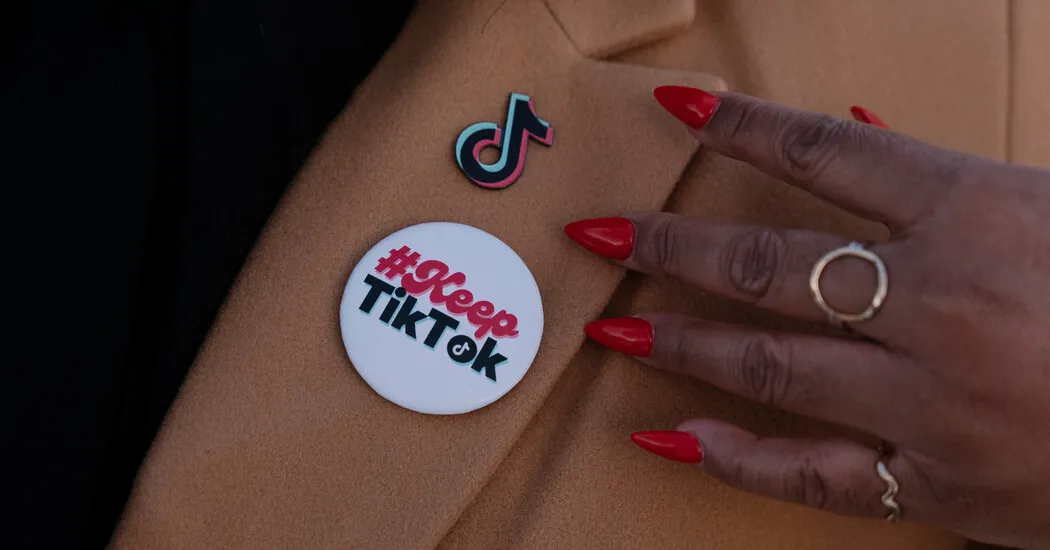
What Led to the TikTok Ban?
On a pivotal Friday, the Supreme Court ruled against TikTok, cementing the government's ability to enforce a ban under national security pretexts. This marked a significant moment for social media regulation.
Exploring Freedom of Speech and Expression
The First Amendment, a cornerstone of American democratic values, faced scrutiny as justices discussed TikTok's role in the digital landscape. Despite arguments for its importance in fostering free expression, national interests prevailed.
Public and Political Response
- Cultural Impact: The ruling could diminish a platform that cultivates community and entertainment for 170 million Americans.
- Legislative Unity: Bipartisan efforts to regulate TikTok culminated in this rapid governing response.
- Concerns Ahead: TikTok's legal team pointed to the significant penalties app distributors may face if the ban ensues.
As TikTok gains traction as a tool for news and information, the legal environment surrounding it remains contentious. Users and creators are left wondering about their next steps in a TikTok-less world.
This article was prepared using information from open sources in accordance with the principles of Ethical Policy. The editorial team is not responsible for absolute accuracy, as it relies on data from the sources referenced.