Artemis 2: A New Era in Space Exploration
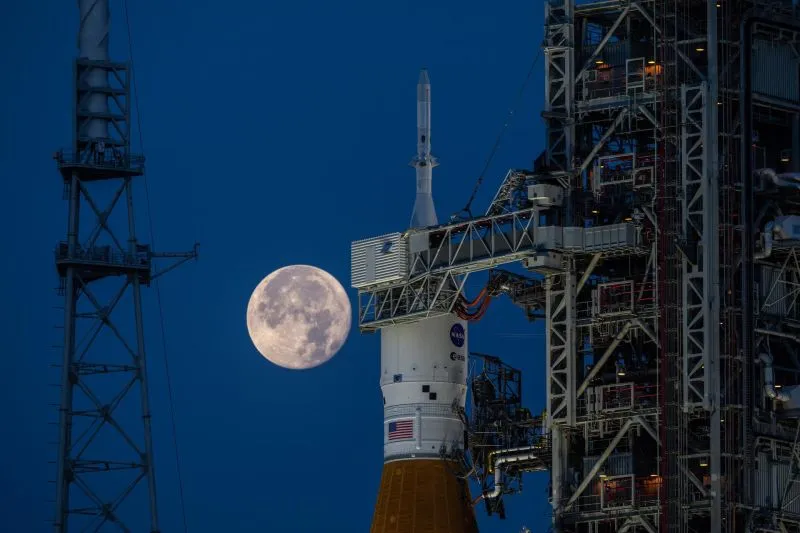
Artemis 2: A New Era in Space
NASA’s Artemis 2 mission is set to launch in 2026, marking a pivotal point in the aspiration to return astronauts to the lunar surface. This landmark journey aims to test crucial systems aboard the Orion capsule, paving the way for the first crewed landing on the moon’s south pole. Composed of four astronauts, including Reid Wiseman, Victor Glover, Christina Koch, and Jeremy Hansen, the crew will embark on a daring circumnavigation of the moon.
The Mission's Objectives
The primary goal of Artemis 2 is to verify the spacecraft’s various systems as it undertakes a sweeping trajectory around the moon. This mission will explore uncharted lunar territories, enabling vital scientific observations that lay the foundation for future explorations.
- Testing Lifesaving Systems: Assessing life support and spacecraft performance.
- Geological Observations: Analyzing lunar features leading up to future landings.
- Human Adaptation Studies: Gathering data on crew health in deep space.
Challenges Ahead
Despite significant advancements from the Apollo era, challenges abound for the Artemis 2 team, including long communication blackouts during critical phases and managing new deep-space conditions. However, this mission sets the stage for humanity’s next leap, seeking to extend our reach far beyond the moon and possibly to Mars.
A Future Worth Exploring
The Artemis program, led by NASA and supported by international partners, seeks not just to visit but to establish a sustained human presence on the moon. As we prepare for Artemis 2, the excitement grows over the potential discoveries awaiting us in the final frontier.
This article was prepared using information from open sources in accordance with the principles of Ethical Policy. The editorial team is not responsible for absolute accuracy, as it relies on data from the sources referenced.