Larry Silverstein and the Architectural Revival of the World Trade Center
Larry Silverstein's Leadership in Post-9/11 Reconstruction
Larry Silverstein, a prominent figure in architecture and real estate development, played an indispensable role in the reconstruction of the World Trade Center following the tragic events of 9/11. With a clear vision for revitalizing Lower Manhattan, he spearheaded a transformative effort, inspiring architectural brilliance that has come to define New York City.
Architectural Collaborations and Innovations
- Structural Marvels: The rise of One World Trade Center, designed by SOM, stands tall as a beacon of resilience.
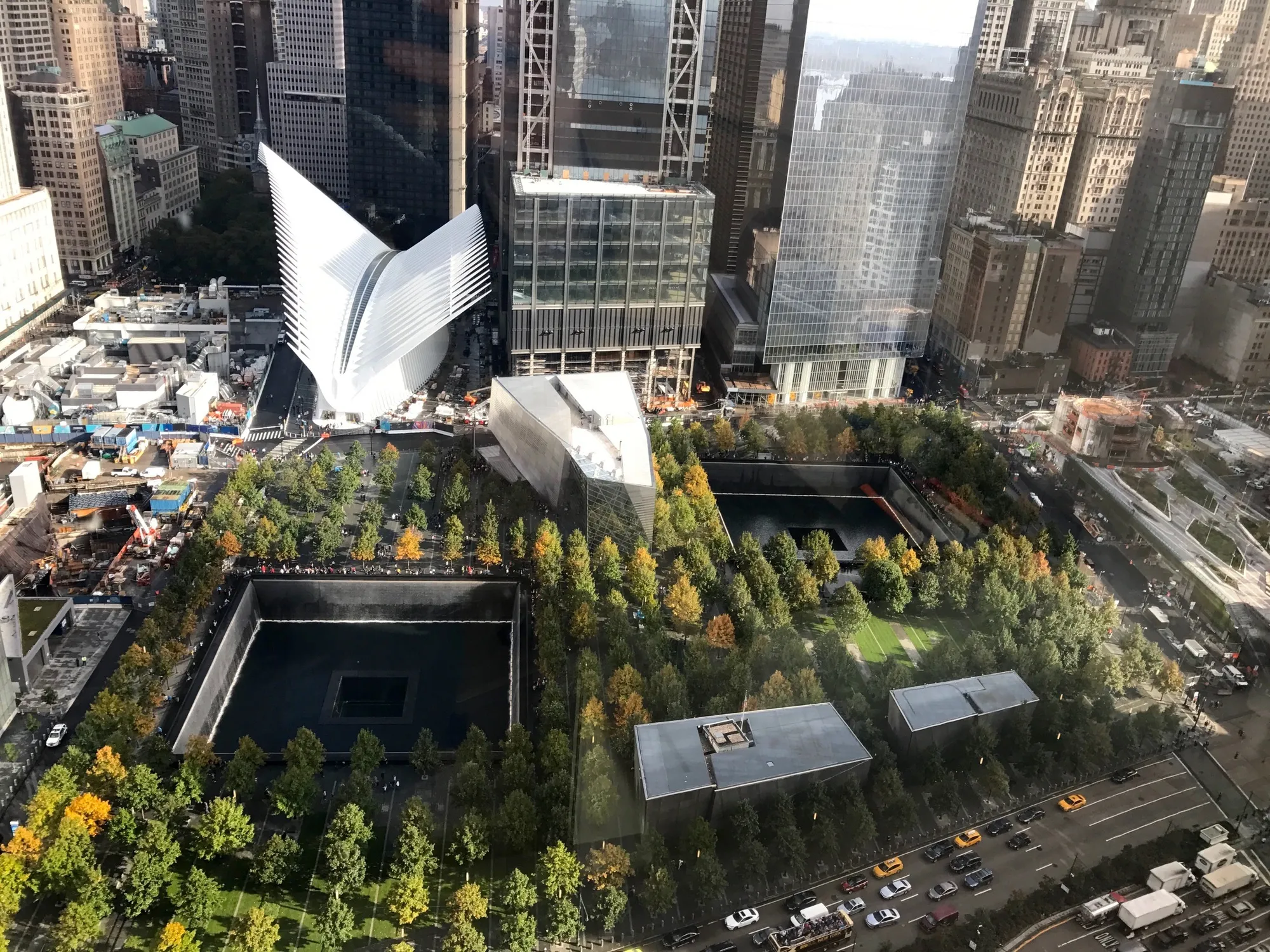
- Memorials: Efforts led by Michael Arad and Peter Walker created a space that honors those lost.
- Dynamic designs by Fumihiko Maki and Snohetta capture the spirit of reconstruction.
Significance of the September 11 Memorial Museum
The 9/11 Memorial Museum serves as an essential part of remembering the past. It offers a reflective space for visitors to engage with history in a meaningful way.
Cities Rising from Tragedy
As New York City embraced the challenge of rebuilding, various architects, including Richard Rogers and Bjarke Ingels, contributed uniquely, enhancing the city’s architectural character.
From the bustling World Trade Center Transit Hub by Santiago Calatrava to the innovative Two World Trade Center proposal, Larry Silverstein’s influence continues to shape urban landscapes.
This article was prepared using information from open sources in accordance with the principles of Ethical Policy. The editorial team is not responsible for absolute accuracy, as it relies on data from the sources referenced.